%2Ffit-in%2F250x250%2Fguide_websites%2F181239%2Fimages%2F1787707081256murkywatercharter.jpg&w=1920&q=100)
/users/a8d2b5a0-bc69-4a89-80b9-435f942dabff/ratecard/rockport-tx-fishing-guide1-mt9gg7y7.jpg)
%2F300x300%2Fusers%2Fa8d2b5a0-bc69-4a89-80b9-435f942dabff%2Fratecard%2Frockport-tx-fishing-guide1-mt9gg7y7.jpg&w=256&q=75)
%2F300x300%2Fusers%2Fa8d2b5a0-bc69-4a89-80b9-435f942dabff%2Fimages%2Faransas-pass-redfish-limit-2709.jpg&w=256&q=75)
%2F300x300%2Fusers%2Fa8d2b5a0-bc69-4a89-80b9-435f942dabff%2Fimages%2Fspeckled-trout-aransas-pass-fishing-2576.jpg&w=256&q=75)
%2F300x300%2Fusers%2Fa8d2b5a0-bc69-4a89-80b9-435f942dabff%2Fimages%2Faransas-pass-fishing-success-2382.jpg&w=256&q=75)
%2F300x300%2Fusers%2Fa8d2b5a0-bc69-4a89-80b9-435f942dabff%2Fimages%2Faransas-pass-redfish-catch-2465.jpg&w=256&q=75)
%2F300x300%2Fusers%2Fa8d2b5a0-bc69-4a89-80b9-435f942dabff%2Fimages%2Faransas-pass-two-species-fishing-2274.jpg&w=256&q=75)
%2F300x300%2Fusers%2Fa8d2b5a0-bc69-4a89-80b9-435f942dabff%2Fimages%2Fblack-drum-aransas-pass-fishing-2661.jpg&w=256&q=75)
%2F300x300%2Fusers%2Fa8d2b5a0-bc69-4a89-80b9-435f942dabff%2Fimages%2Faransas-pass-redfish-catch-2639.jpg&w=256&q=75)
%2F300x300%2Fusers%2Fa8d2b5a0-bc69-4a89-80b9-435f942dabff%2Fimages%2Faransas-pass-redfish-catch-2452.jpg&w=256&q=75)
%2F300x300%2Fusers%2Fa8d2b5a0-bc69-4a89-80b9-435f942dabff%2Fimages%2Faransas-pass-redfish-catch-2460.jpg&w=256&q=75)
%2F300x300%2Fusers%2Fa8d2b5a0-bc69-4a89-80b9-435f942dabff%2Fimages%2Faransas-pass-fishing-catch-2303.jpg&w=256&q=75)
Deep Dive Into the Local Bite in Aransas Bays
What you will be catching:
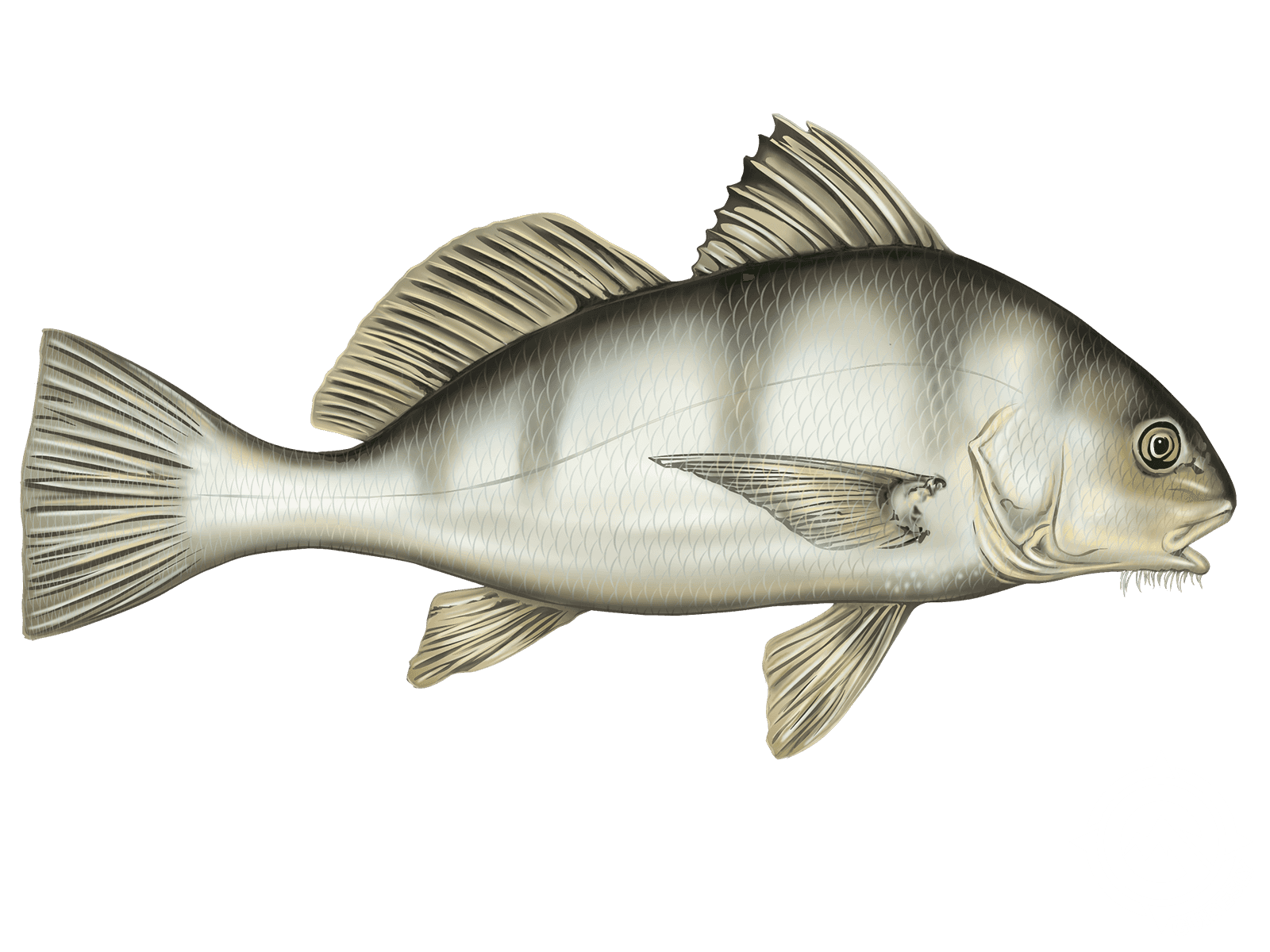
 Black Drum
 Redfish
 Sea Trout
 Sheepshead
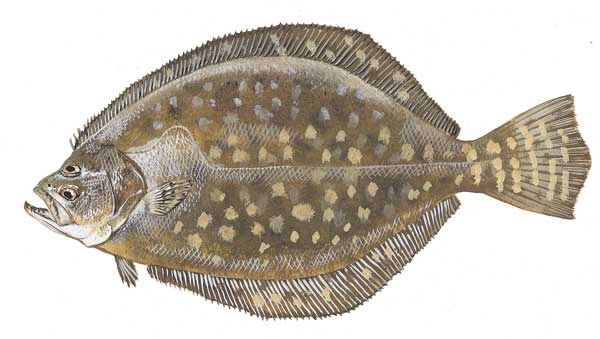 Southern Flounder
- Target multiple species in shallow and deep waters
- Captain Kenneth offers 28 years commercial fishing expertise
- Spacious center console accommodates up to 2 guests
Trip Pricing and Availabilities:
Deep Dive Into the Local Bite in Aransas Bays
When you're ready to fish serious water with someone who's made a living reading these tides, Captain Kenneth's got you covered. This isn't your typical tourist fishing trip – it's a full day with a commercial fisherman who's been working Aransas Bays for twenty eight years. You'll hit multiple spots, target different species, and learn what separates the weekend warriors from the guys who actually catch fish. With room for just two anglers, you get personalized attention and plenty of space to work your rod without bumping elbows.
What to Expect on the Water
Captain Kenneth runs his operation like the commercial fisherman he's been for nearly three decades. That means no wasted time, no guessing games, and no sitting around hoping fish show up. He reads wind shifts, water clarity changes, and subtle current breaks that most guides miss completely. You'll start early and cover serious ground, moving from shallow flats where redfish tail in skinny water to deeper cuts where speckled trout suspend near structure. The center console gives you room to cast without crowding, and Kenneth keeps your hooks sharp and your bait fresh. Expect to switch techniques throughout the day as conditions change and different species become active. This is hands-on fishing education from someone who's made his living understanding these waters.
Techniques and Tackle Work
Light tackle work dominates this trip, with spinning reels and medium-action rods that let you feel every bump and tap. You'll learn to read subtle strikes that less experienced anglers miss, adjusting your retrieve speed based on water temperature and fish activity. In the shallows, sight fishing for tailing reds requires stealth and precision casting – Kenneth will position the boat perfectly and coach you through presentations that don't spook fish. When targeting trout in deeper water, you'll work soft plastics near bottom structure, learning to distinguish between a fish pickup and dragging across oyster shell. Bait fishing with live shrimp and cut mullet comes into play when conditions call for it, especially around pilings and drop-offs where black drum and sheepshead hang out. Kenneth handles all the rigging and re-baiting, so you stay focused on fishing instead of fumbling with tackle.
Top Catches This Season
Redfish are the bread and butter here, with fish ranging from slot-size keepers around 20 inches up to bull reds that'll test your drag system. These copper-colored fighters love the shallow grass flats and oyster bars scattered throughout Aransas Bays. Spring and fall offer the most consistent action, when reds move onto the flats to feed aggressively. What makes them special is their willingness to eat just about anything – live shrimp, soft plastics, topwater plugs – and their stubborn fighting style that combines powerful runs with head-shaking determination. Sea Trout provide steady action year-round, though the best fishing happens during cooler months when bigger fish move into deeper holes and channels. These spotted beauties average 14 to 18 inches but produce some real surprises, with trout over 20 inches not uncommon. They're structure-oriented fish that respond well to soft plastics worked slowly along bottom changes. Southern Flounder are ambush predators that lie buried in sand near current breaks and channel edges. These flatfish require patience and precise presentations, but they reward anglers with excellent table fare and surprising strength when hooked. Fall months bring the best flounder action as fish fatten up before their offshore spawning run. Black Drum offer serious pulling power, especially the larger specimens that cruise oyster reefs looking for shellfish. These bronze-colored fighters can exceed 30 inches and provide arm-burning battles on medium tackle. They're year-round residents but fish best during warmer months when they're most active. Sheepshead round out the mix with their distinctive black stripes and incredible bait-stealing ability. These fish require sharp hooks and quick reflexes, but they're among the best eating fish in the bay and fun to target around structure.
Time to Book Your Spot
This top-rated Aransas Bays fishing experience delivers everything serious anglers want: knowledgeable guidance, productive water, and multiple species opportunities. Captain Kenneth's commercial fishing background gives you access to techniques and locations that typical charter captains simply don't know. With space for only two anglers, you get personalized instruction and plenty of room to fish effectively. Whether you're looking to improve your inshore skills or just want to catch fish with someone who knows these waters inside and out, this trip delivers real value. Book now to secure your spot with one of the most experienced captains working Aransas Bays – dates fill up fast, especially during prime fishing seasons.
Learn more about the species
Black Drum
Black Drum are the bulldogs of the bay, with powerful jaws built for crushing oysters and crabs. Most run 5-15 pounds, but don't be surprised if you tie into a 30+ pounder that'll test your drag. Spring is peak season when they school up around oyster reefs and shallow flats for spawning. You'll hear them "drumming" underwater - that's their mating call. They love muddy bottoms near structure and can handle everything from ultra-shallow water to 20-foot depths. What guests love is their bulldogging fight and the chance at a real trophy. Keep the smaller ones under 15 pounds for eating - the meat gets tough on the big ones. Best bait is fresh blue crab, but here's my local trick: look for them tailing in skinny water during moving tides, especially around dawn. Cast right in front of their nose with a quarter-ounce jighead and crab.
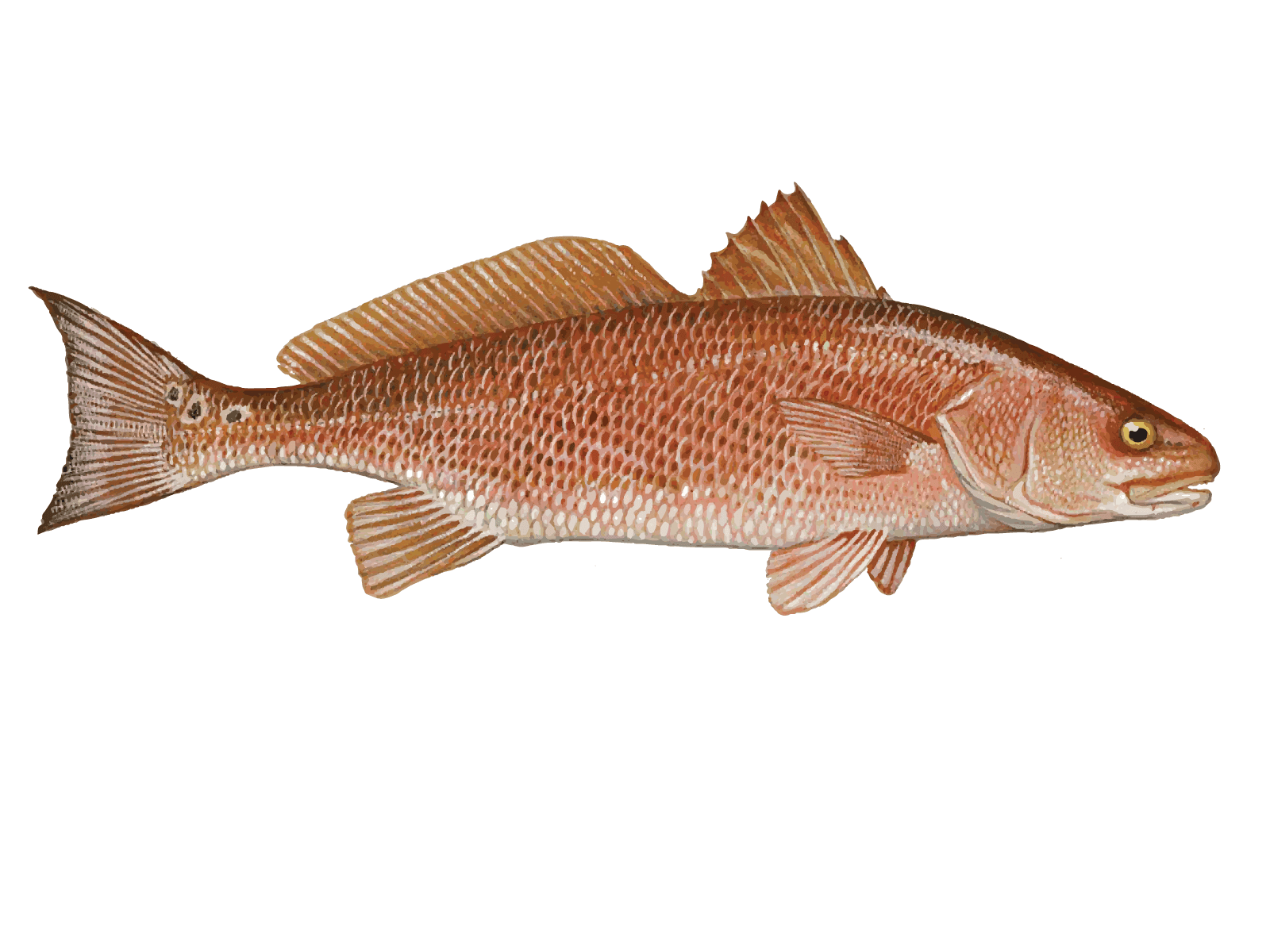
Redfish
Redfish are the crown jewel of sight fishing, with their copper-colored backs and distinctive black spots near the tail. These bruisers typically run 18-27 inches in the shallows, though bull reds over 30 inches patrol deeper waters. They love super shallow flats, often with their backs out of water, plus oyster reefs, grass beds, and protected coves. Fall through spring offers the best action when they're actively feeding before and after spawning runs. What gets guests fired up is watching them cruise the shallows, then seeing that explosive strike on topwater lures. They're bulldogs that'll peel drag and make long runs. The smaller "slot" fish are excellent eating with firm, mild meat. My secret: look for nervous water and wakes in skinny areas during moving tides. Cast ahead of cruising fish with a gold spoon or topwater plug, and be ready for a fight.
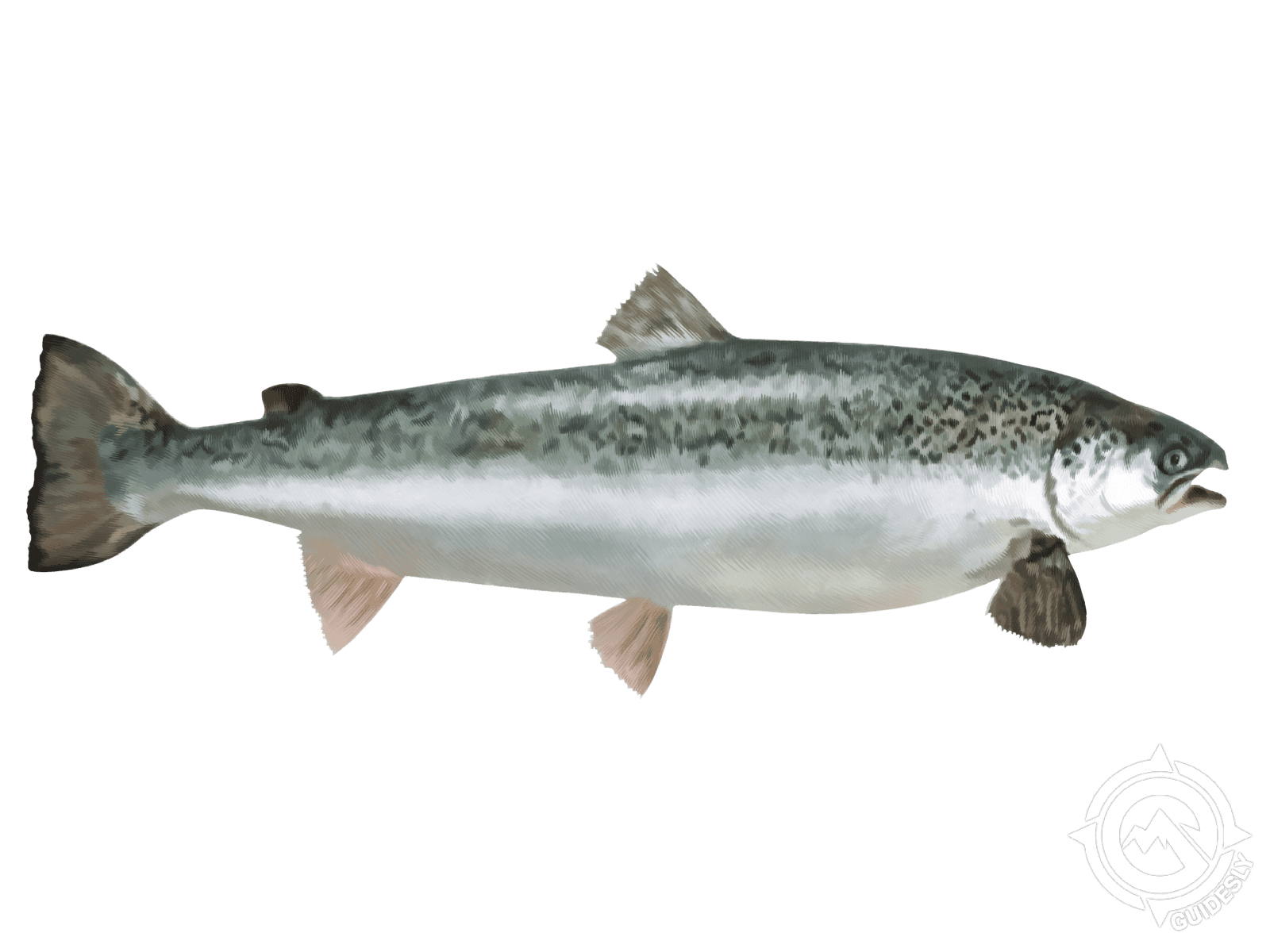
Sea Trout
Speckled Trout are the bread and butter of coastal fishing, with their spotted silver sides and gentle fight that's perfect for light tackle. They average 12-16 inches, but gator trout over 20 inches make for memorable photos. Look for them over grass flats, around drop-offs, and near structure in 3-12 feet of water. They move deeper in winter and shallower during warmer months. Spring and fall offer the most consistent action, especially during moving tides. What guests love is their willingness to hit both live bait and artificials, plus they're outstanding table fare with delicate, flaky white meat. They're not hard fighters, but they'll jump and make short runs. The key is working your bait slow near the bottom - they're lazy feeders. My local tip: look for diving birds and bait schools, then work a soft plastic or live shrimp just under the action. Glass calm mornings are prime time.
Sheepshead
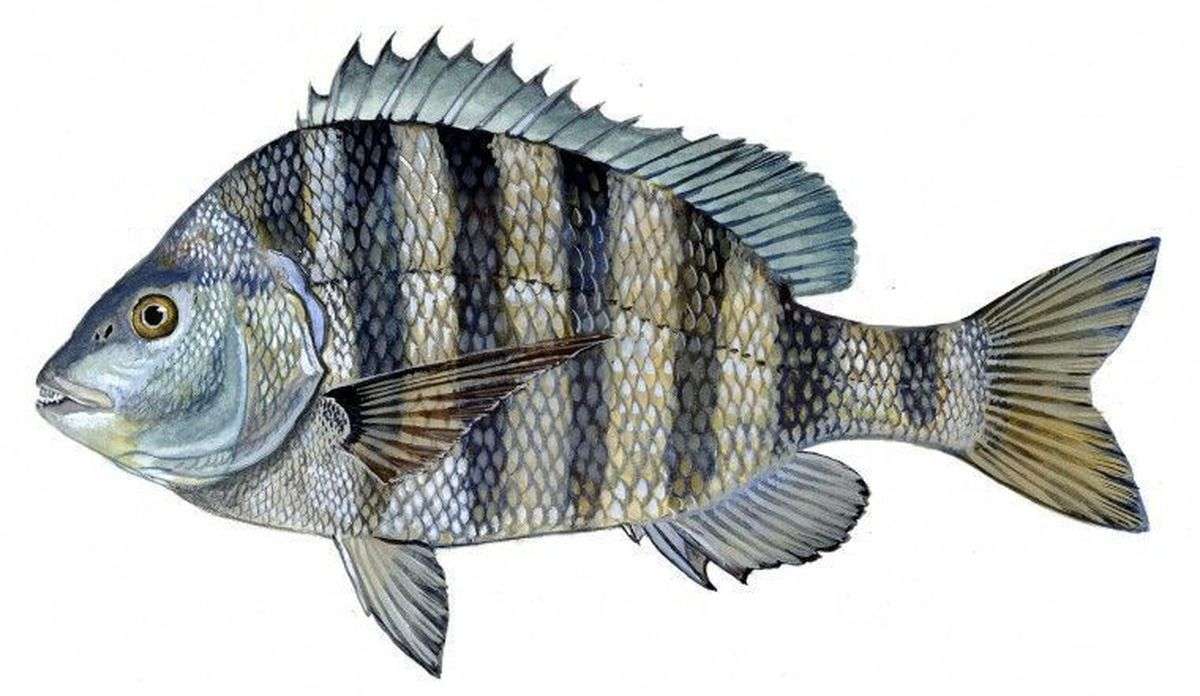
Sheepshead are the convicts of the reef with their black and white stripes, famous for human-like teeth that crunch barnacles off pilings. They typically run 2-5 pounds and 14-18 inches, though 8-pounders show up regularly around structure. These guys live tight to cover - docks, bridges, jetties, anywhere with barnacle-crusted pilings. Spring brings the best fishing when they move shallow to spawn, but they bite year-round. What makes them fun is they're notorious bait thieves with light, finicky bites that test your skills. The reward is sweet, white meat that's hard to beat on the table. They're picky eaters, so fresh shrimp, fiddler crabs, or barnacles work best. My go-to trick: use a small hook and light sinker, get as close to structure as possible, and when you feel that subtle nibble, set the hook hard. Their bony mouths require a firm hookset.
Southern Flounder
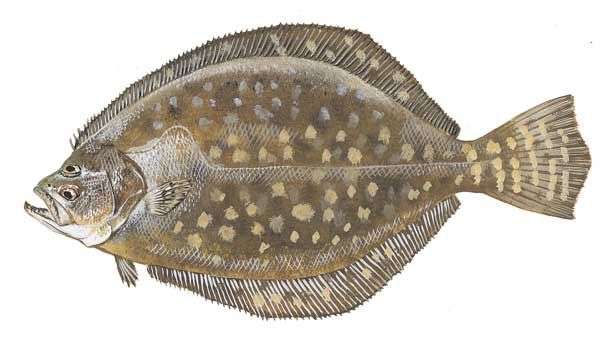
Southern Flounder are masters of disguise, lying flat on sandy and muddy bottoms where they ambush shrimp, crabs, and small fish. These flatfish typically run 15-18 inches, though you might hook into one pushing 25+ inches. Look for them around structure changes, drop-offs, and grass edges in 2-15 feet of water. Fall and early winter are prime time when they're feeding heavily before their offshore spawn. What makes them special is watching that flat profile suddenly come alive when hooked - they'll make strong runs and use that broad body to fight hard. The white, flaky meat is some of the best eating you'll find. My trick: use a slow drift with live shrimp or mud minnows on a Carolina rig, and when you feel that subtle tap-tap, wait a beat before setting the hook. They like to mouth the bait first.
About the Murky Water Bay boat
%2F%2Fusers%2Fa8d2b5a0-bc69-4a89-80b9-435f942dabff%2Fvehicle_picture%2Fcaptain-kenneth-claypool-boat1-mt98stqz.jpg&w=1920&q=75)
Vehicle Guest Capacity: 5
Manufacturer Name: Yamaha
Maximum Cruising Speed: 45
Number of Engines: 1
Horsepower per Engine: 200