%2Ffit-in%2F250x250%2Fguide_websites%2F181239%2Fimages%2F1787707081256murkywatercharter.jpg&w=1920&q=100)
/users/a8d2b5a0-bc69-4a89-80b9-435f942dabff/ratecard/coastal-fishing-charter-trip-mt9gzeu2.jpg)
%2F300x300%2Fusers%2Fa8d2b5a0-bc69-4a89-80b9-435f942dabff%2Fratecard%2Fcoastal-fishing-charter-trip-mt9gzeu2.jpg&w=256&q=75)
%2F300x300%2Fusers%2Fa8d2b5a0-bc69-4a89-80b9-435f942dabff%2Fimages%2Faransas-pass-redfish-limit-2709.jpg&w=256&q=75)
%2F300x300%2Fusers%2Fa8d2b5a0-bc69-4a89-80b9-435f942dabff%2Fimages%2Fspeckled-trout-aransas-pass-fishing-2576.jpg&w=256&q=75)
%2F300x300%2Fusers%2Fa8d2b5a0-bc69-4a89-80b9-435f942dabff%2Fimages%2Faransas-pass-fishing-success-2382.jpg&w=256&q=75)
%2F300x300%2Fusers%2Fa8d2b5a0-bc69-4a89-80b9-435f942dabff%2Fimages%2Faransas-pass-redfish-catch-2465.jpg&w=256&q=75)
%2F300x300%2Fusers%2Fa8d2b5a0-bc69-4a89-80b9-435f942dabff%2Fimages%2Faransas-pass-two-species-fishing-2274.jpg&w=256&q=75)
%2F300x300%2Fusers%2Fa8d2b5a0-bc69-4a89-80b9-435f942dabff%2Fimages%2Fblack-drum-aransas-pass-fishing-2661.jpg&w=256&q=75)
%2F300x300%2Fusers%2Fa8d2b5a0-bc69-4a89-80b9-435f942dabff%2Fimages%2Faransas-pass-redfish-catch-2639.jpg&w=256&q=75)
%2F300x300%2Fusers%2Fa8d2b5a0-bc69-4a89-80b9-435f942dabff%2Fimages%2Faransas-pass-redfish-catch-2452.jpg&w=256&q=75)
%2F300x300%2Fusers%2Fa8d2b5a0-bc69-4a89-80b9-435f942dabff%2Fimages%2Faransas-pass-redfish-catch-2460.jpg&w=256&q=75)
%2F300x300%2Fusers%2Fa8d2b5a0-bc69-4a89-80b9-435f942dabff%2Fimages%2Faransas-pass-fishing-catch-2303.jpg&w=256&q=75)
Texas Flats Redfish and Trout Hunt
What you will be catching:
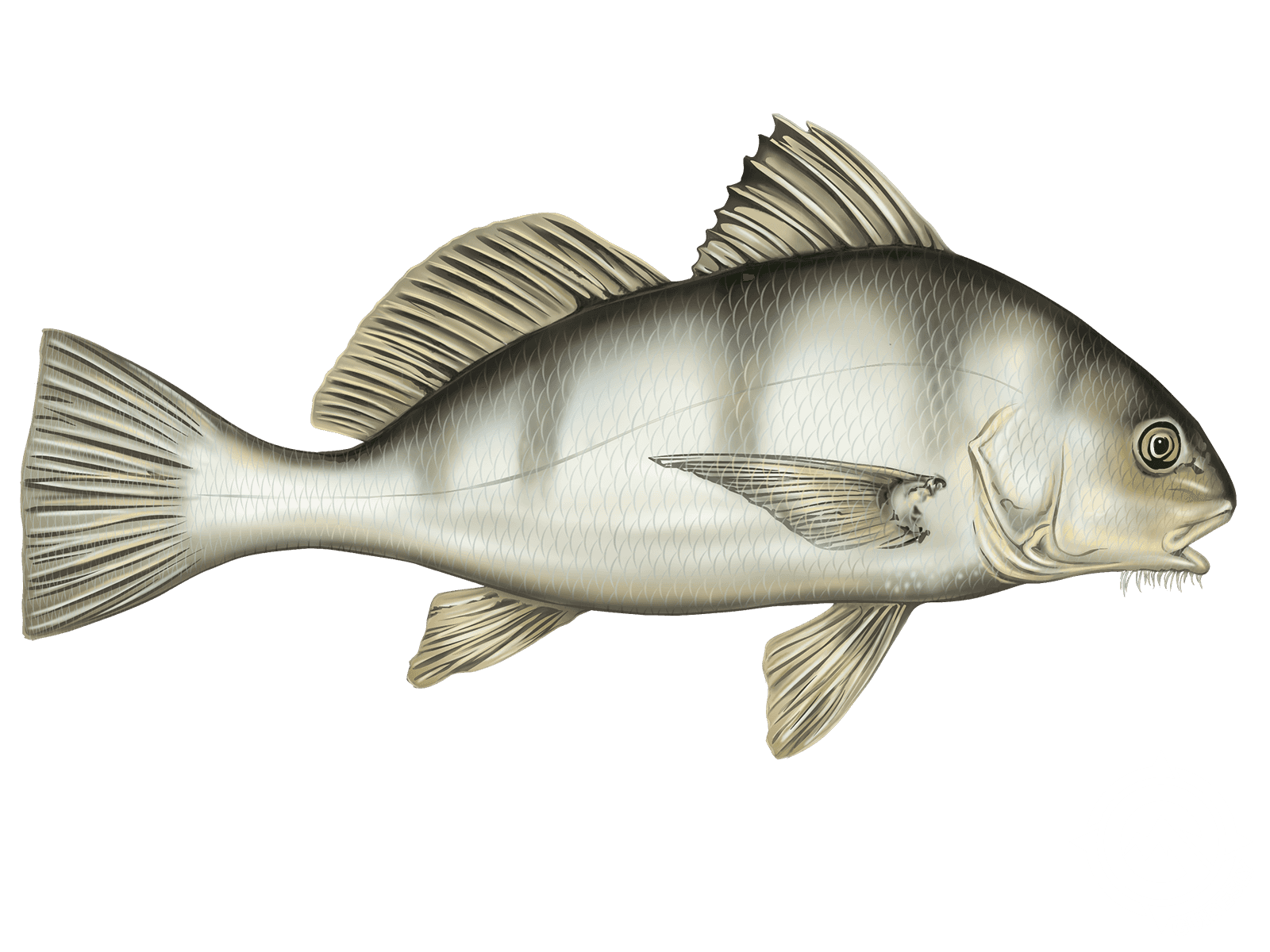
 Black Drum
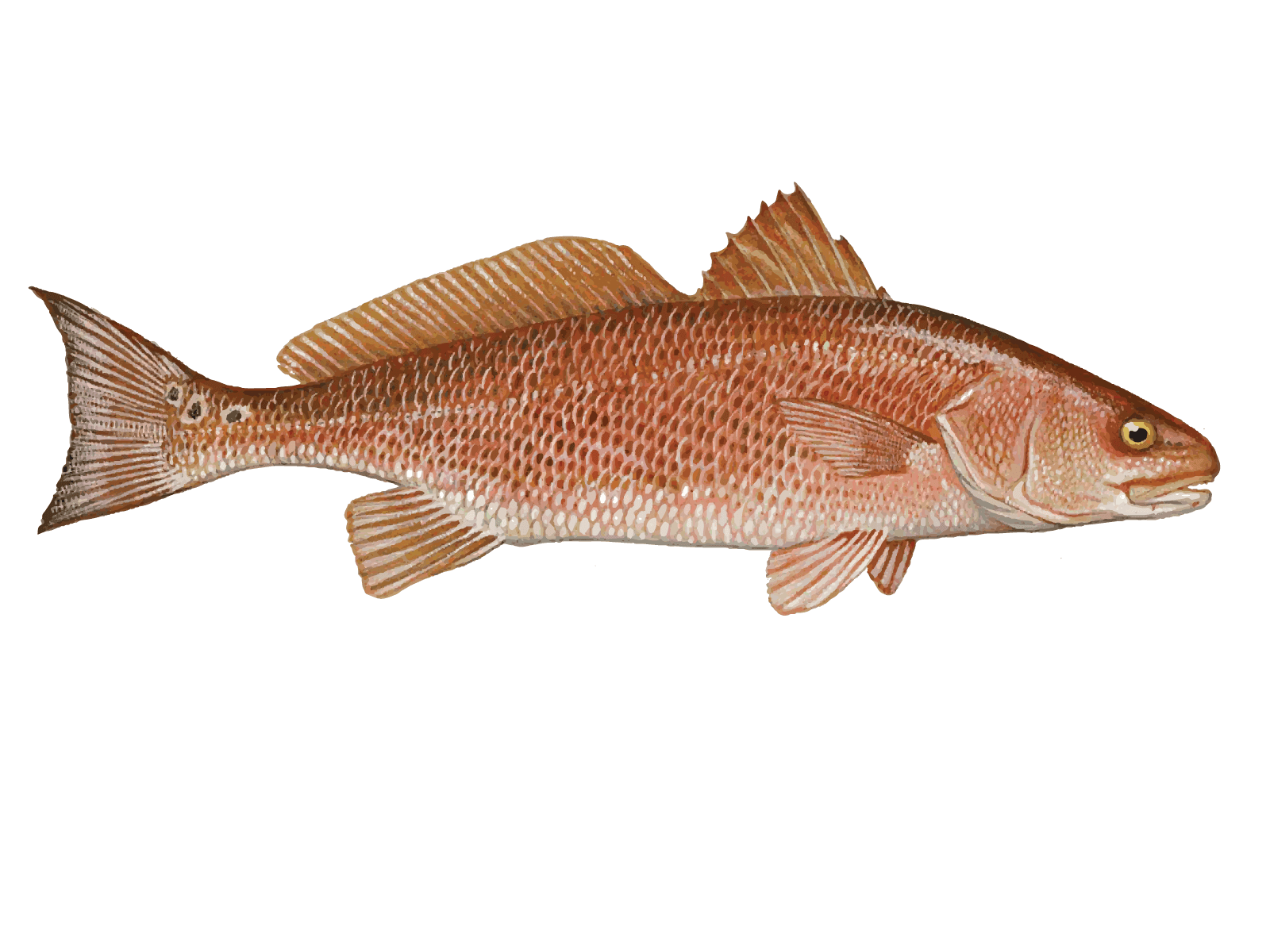
 Redfish
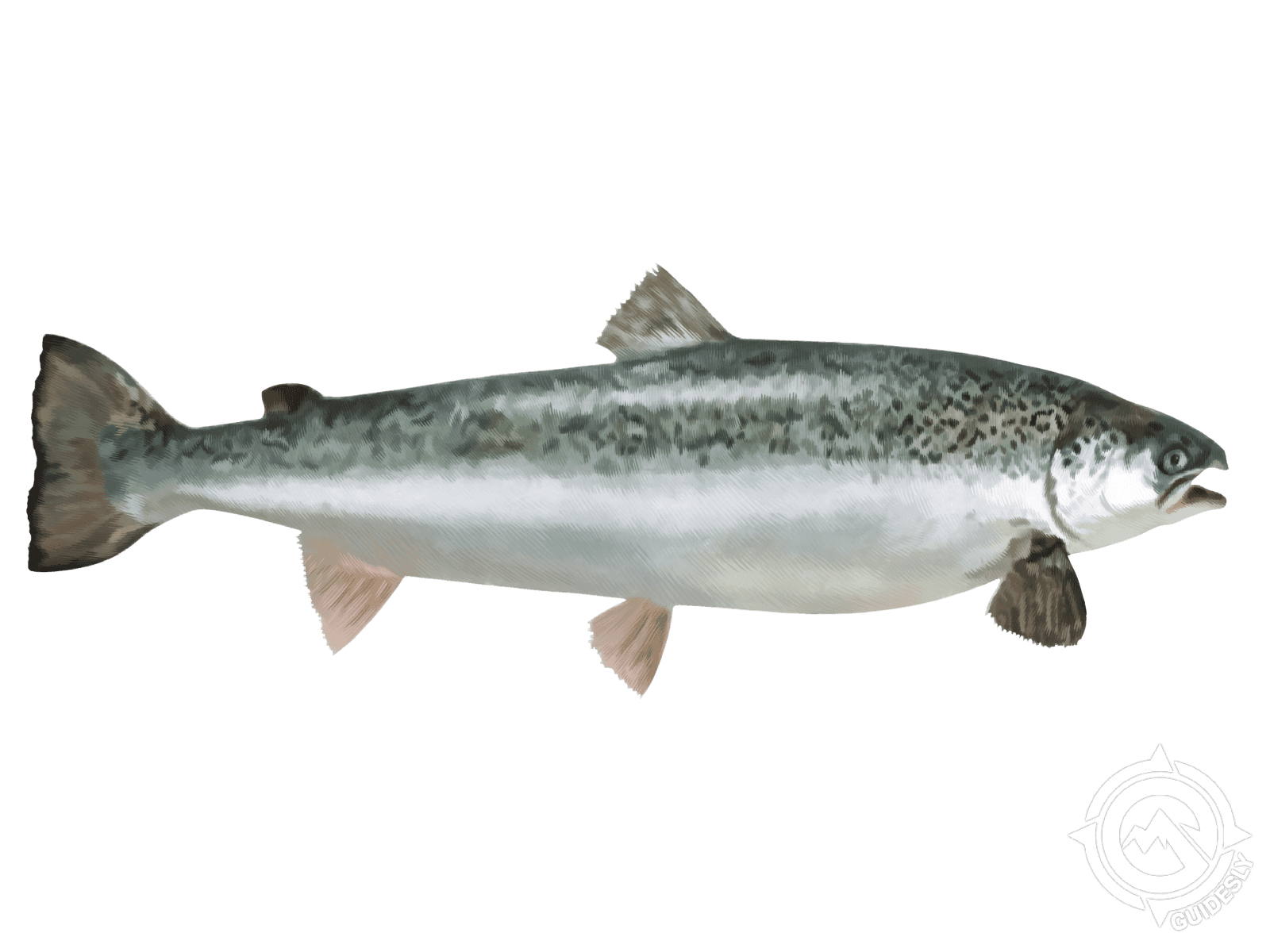
 Sea Trout
 Sheepshead
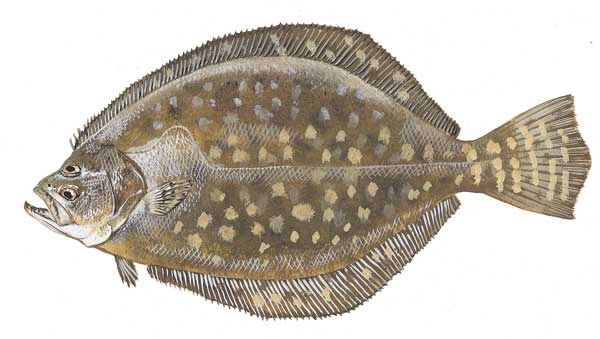 Southern Flounder
- Target speckled trout and redfish in Aransas Pass bays
- Captain Kenneth brings three decades of commercial fishing expertise
- Advanced fishfinder and GPS technology locate prime holding areas
Trip Pricing and Availabilities:
Texas Flats Redfish and Trout Hunt
Captain Kenneth's got nearly three decades of commercial fishing under his belt, and he knows these Aransas Pass waters like the back of his hand. This isn't your typical half-day rush job where you're fighting the clock to get a bite. With extra time on the water, you get to see what real inshore fishing looks like when you're not cutting corners. The bays around here are packed with healthy populations of speckled trout and redfish, but these fish don't read the textbook. What worked yesterday might be useless today, and that's where Kenneth's experience really shines. He reads the water conditions, watches the tides, and switches tactics on the fly to keep you on the fish. You bring the drinks, we handle everything else.
What to Expect on the Water
This trip gives you the luxury of time to actually figure out what's working instead of just hoping for the best. Kenneth starts by checking the tides and water conditions, then uses the boat's advanced fishfinder and GPS to locate holding areas where fish are staging. Some days that means working deeper channels with jigs for trout, other days it's drifting across grass beds with live bait for redfish. The live bait well keeps everything fresh and lively throughout the trip, which makes a huge difference when these fish get picky. You'll learn to read the signs - bird activity, bait movement, water color changes - that separate good anglers from lucky ones. The boat's setup is designed for serious fishing, not just taking pictures, so you can focus on putting fish in the cooler instead of fighting inadequate gear.
Techniques That Work Here
Kenneth's commercial background means he knows every productive method for these waters. You might start the morning jigging soft plastics in deeper cuts where trout hold during tide changes, then switch to live shrimp under popping corks as the water warms up. When the redfish are cruising the flats, it's all about sight casting with topwater plugs or gold spoons. The key is staying flexible and reading what the fish are telling you. The fishfinder helps locate structure and baitfish, but Kenneth's eyes are what really make the difference - spotting nervous water, following bird activity, and recognizing subtle changes that signal feeding fish. Live bait stays in constant rotation through the aerated well, ensuring you always have fresh offerings when artificial lures aren't cutting it. GPS waypoints mark productive spots, but the real skill is knowing when conditions are right to revisit them versus when to keep exploring new water.
Top Catches This Season
Redfish are the bread and butter of these flats, and Aransas Pass holds some of the healthiest populations on the Texas coast. These copper-colored fighters typically run 18 to 28 inches here, with plenty of slot fish that make excellent table fare. They feed aggressively in shallow water during incoming tides, often giving away their location by pushing wakes or tailing in the grass. Fall and spring offer the most consistent action, but summer mornings can produce explosive topwater strikes. What makes redfish special is their willingness to eat almost anything - live shrimp, cut mullet, gold spoons, or topwater plugs - but they're also smart enough to test your skills when the pressure's on.
Speckled trout are the other half of the inshore slam, and these waters produce some beautiful fish. Most run 14 to 20 inches, with occasional trophies pushing 25 inches or better. They're structure-oriented fish that love drop-offs, shell beds, and grass lines where baitfish congregate. Trout fishing peaks during cooler months when they school up in deeper holes, but summer fishing can be outstanding early and late in the day. They're more finicky than redfish about presentation, often requiring lighter tackle and more subtle approaches. When you hook into a good trout, that first jump and head shake will remind you why they're called speckled trout - they're built for speed and acrobatics.
Southern flounder add variety to the mix, especially during their fall migration runs. These flatfish are ambush predators that bury themselves in sandy bottoms near passes and channel mouths. They hit live bait hard and fight with surprising strength for a bottom fish. Black drum show up around structure and oyster reefs, often in schools that can provide steady action once you locate them. They're powerful fighters that test your drag system and make excellent eating in smaller sizes. Sheepshead round out the species list with their distinctive black stripes and notorious bait-stealing abilities. They're structure fish that require precise presentations near pilings, reefs, and rocks, but their sweet, flaky meat makes the extra effort worthwhile.
Time to Book Your Spot
This isn't just another fishing trip - it's your chance to fish with someone who's made a living reading these waters for three decades. Kenneth's commercial background and willingness to adjust tactics throughout the day means you're getting the real deal, not some cookie-cutter charter experience. The extra time on the water lets you explore different techniques and areas without rushing, which is how you learn to become a better angler yourself. With only two guests maximum, you get personal attention and instruction that larger boats simply can't provide. The combination of Kenneth's knowledge, quality equipment, and prime fishing waters makes this a top-rated choice for serious anglers who want to experience world-class inshore fishing the right way. Book your spot now and see why anglers keep coming back to these productive Aransas Pass waters.
Learn more about the animals
Black Drum
Black Drum are the heavyweights of our bays, ranging from 5-30 pounds with some monsters pushing 50+ pounds. You'll hear them before you see them - they make drumming sounds that carry through the water. They love oyster beds, muddy flats, and shallow structure where they crush shellfish with their powerful jaws. Spring spawning season from February through April is when they school up and become much easier to target. After that, they scatter and get tougher to find. What guests love is the serious fight these fish put up - they'll test your drag and make long, powerful runs. The smaller ones under 15 pounds make great eating, but the big ones are better released. Pro tip: use fresh crab or cut mullet on the bottom and be patient - they're picky eaters but worth the wait.
Redfish
Redfish are the crown jewel of our flats, easily recognized by their copper-bronze color and distinctive black eyespot near the tail. Most slot fish run 18-27 inches, but we regularly see bulls over 30 inches that'll test your equipment. They cruise super shallow water - sometimes with their backs out - around grass beds, oyster reefs, and muddy shorelines. Year-round fishing is solid, but fall and winter bring the best action when they school up heavily. What guests love most is sight-casting to these fish in skinny water and watching them crush topwater lures in explosive strikes. They make blistering runs and fight harder than fish twice their size. The meat on slot fish is excellent with a mild, sweet flavor. Pro tip: when you spot a school, don't cast right into the middle - lead them by 10 feet and work your lure into their path.
Sea Trout
Speckled trout are the bread and butter of our bay system, typically running 14-20 inches with those prized "gator trout" pushing 24+ inches. They love grass flats in 2-6 feet of water, especially around drop-offs and channels where they can ambush shrimp and small baitfish. Spring and fall are prime seasons, but we catch them year-round - they just move deeper in winter cold fronts. What makes them special is their beautiful gold coloration with distinct black spots, and they're arguably the best eating fish we have with tender, flaky white meat. They're also great fighters with good runs and head shakes. The key is fishing early morning and late evening when they're most active. My go-to tip: when the bite slows down, switch to a popping cork with live shrimp about 18 inches below. The noise draws them in from a distance.
Sheepshead
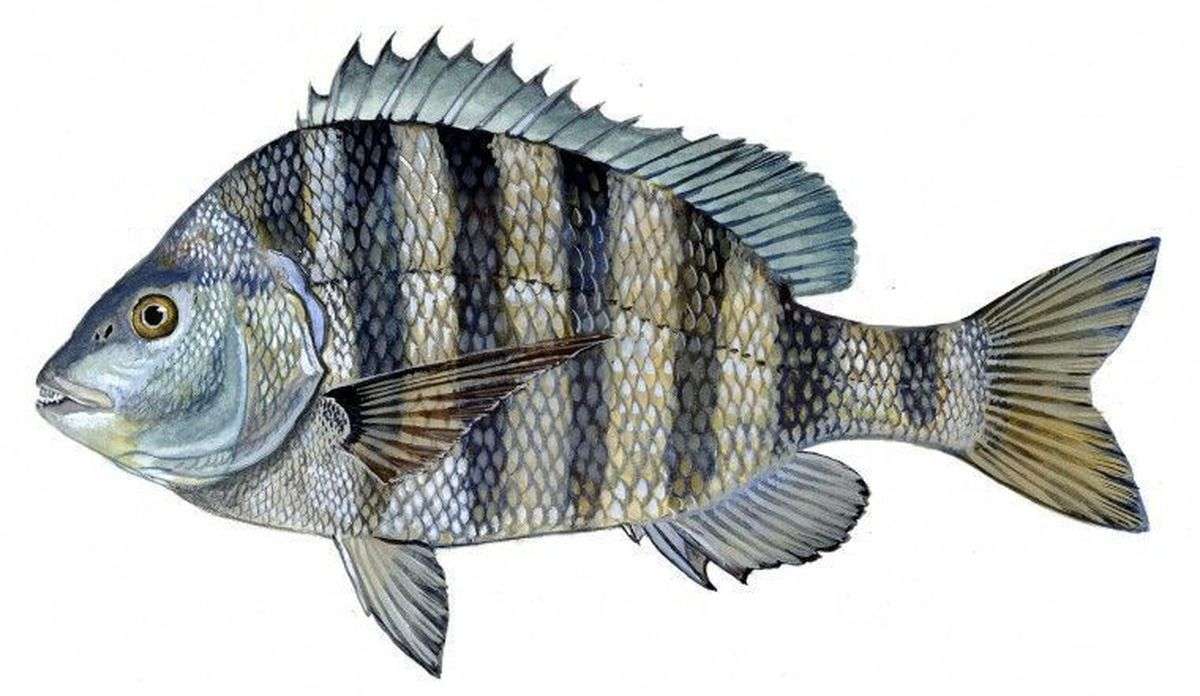
Sheepshead are the "convict fish" with their distinctive black and white stripes, and they've got human-like teeth that'll make you do a double-take. Most run 1-4 pounds and 14-18 inches, but we catch some nice 6-8 pounders around structure. They stick tight to docks, bridge pilings, and any barnacle-covered structure where they pick off crabs and shellfish. Spring months are best when they're spawning and more aggressive. These fish are notorious bait thieves - they'll nibble and steal your bait all day if you're not quick on the hookset. The payoff is some of the best eating fish in the bay with sweet, flaky white meat. Here's what I tell everyone: use small hooks, keep your bait tight to structure, and the second you feel them pecking, set that hook hard. They have tough mouths, so don't be shy.
Southern Flounder
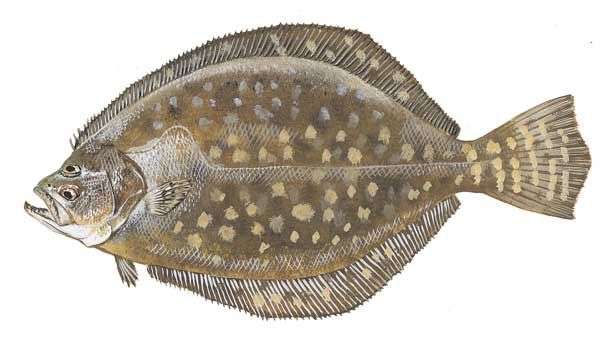
Southern Flounder are masters of disguise, lying flat on sandy and muddy bottoms with both eyes on their left side. They typically run 15-18 inches, but we've seen some push 25+ inches in deeper channels. These ambush predators love to bury themselves and wait for shrimp, crabs, and small fish to swim by. Fall and winter are prime time when they move through our passes heading to spawn offshore. What makes them special is their fight - they'll make strong runs once hooked, and the meat is excellent table fare with sweet, white fillets. Here's the trick: when drift fishing, let your bait hit bottom then lift it slowly. They'll often grab it on the drop, so stay ready to set the hook on any tap or weight change.
About the Murky Water Bay boat
%2F%2Fusers%2Fa8d2b5a0-bc69-4a89-80b9-435f942dabff%2Fvehicle_picture%2Fcaptain-kenneth-claypool-boat1-mt98stqz.jpg&w=1920&q=75)
Vehicle Guest Capacity: 5
Manufacturer Name: Yamaha
Maximum Cruising Speed: 45
Number of Engines: 1
Horsepower per Engine: 200